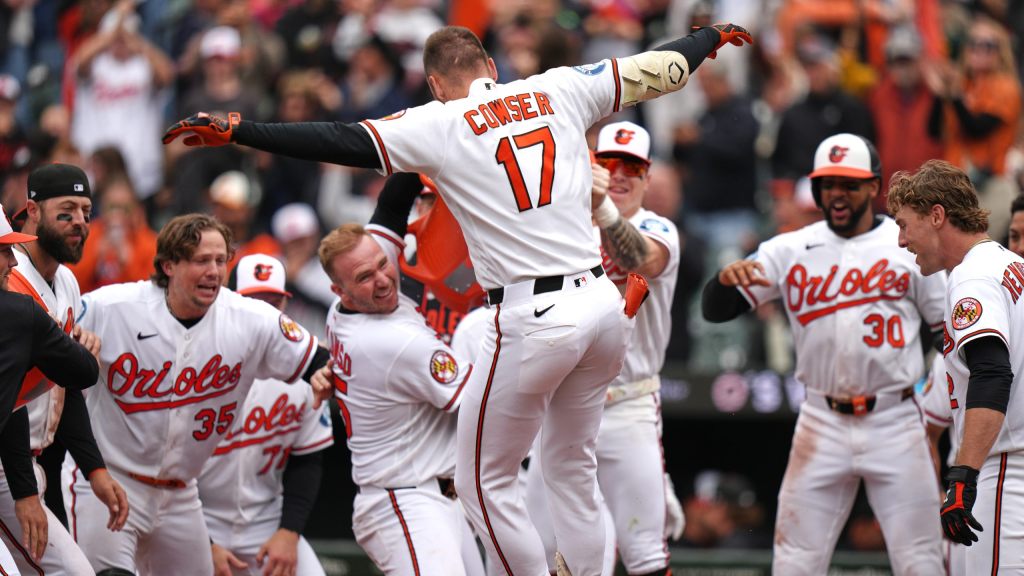
The first half of the 2026 season for the Baltimore Orioles has been defined by one word: inconsistency.
After spending the offseason aggressively trying to rebound from a disappointing 2025 campaign, expectations around Birdland were considerably higher entering Opening Day. Orioles president of baseball operations and acting-GM Mike Elias addressed several areas of concern, adding veteran talent, while hoping a healthier roster and another year of development from the club’s core would push Baltimore back into postseason contention.
Instead, the Orioles head into the All-Star break with a 46-51 record, sitting fourth in the American League East. While the record certainly is not where anyone envisioned, the first half was not without some positives.
The Birds showed flashes of the team it believes it can become, but prolonged slumps and an inability to string together consistent winning baseball ultimately buried those encouraging stretches.
Let’s review the first half of the season and see how the Orioles need to improve in order to make a postseason push.
THE GOOD
The biggest positive has been the continued emergence of the club’s young foundation.
Samuel Basallo has officially established himself as one of baseball’s premier young hitters, showing the raw power that made him one of the game’s top prospects. Gunnar Henderson has hit 17 home runs and driven in 55 despite battling through cold streaks. And Adley Rutschman has put himself back on the league’s radar, earning his third All-Star selection in four years.
The O’s biggest free agent offseason acquisition, Pete Alonso, is also doing Pete Alonso things in his first season in Charm City. The Polar Bear has played in all 97 games and has collected 21 long balls and 65 RBIs, all while playing Gold-Glove-caliber defense.
But perhaps the most encouraging development has come on the mound.
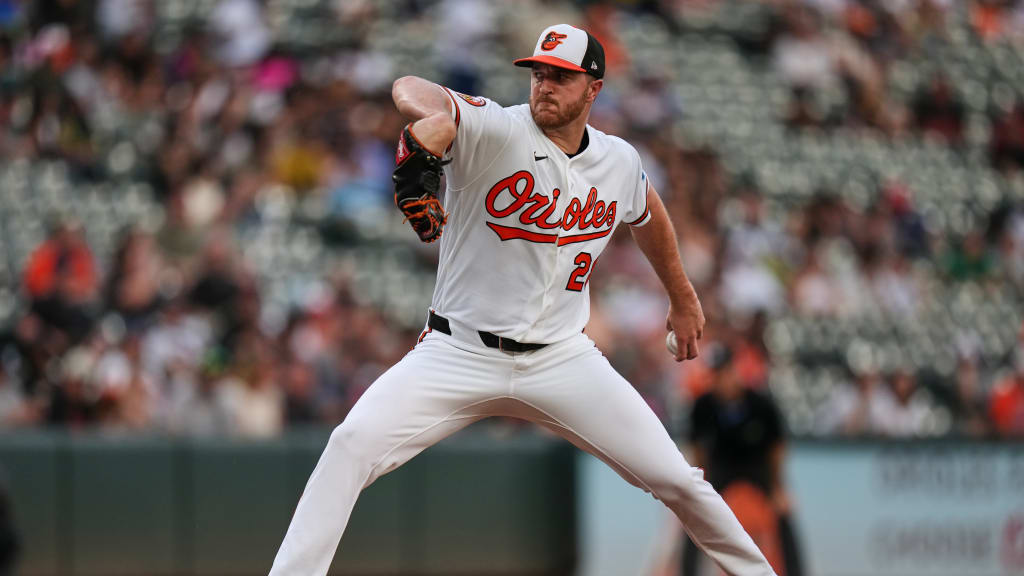
After entering the season with questions surrounding both health and consistency, Baltimore’s starters have largely answered the call. Kyle Bradish has looked every bit like the frontline starter the Orioles hoped he would become, Trevor Rogers and Shane Baz have put together strong campaigns and Brandon Young has exceeded expectations in his first extended opportunity at the major-league level.
Even when the offense struggled, the rotation consistently gave the Orioles a chance to win. Quality starts became far more common than they were a season ago, allowing the O’s to remain competitive despite its inconsistent play at the plate.
THE BAD
Unfortunately, the positives have often been overshadowed by prolonged stretches of poor baseball.
The Orioles have repeatedly struggled to build momentum. Every time they appeared ready to climb back toward .500, another losing streak followed. Early-season series losses to teams the Birds were expected to beat immediately put Baltimore behind the eight ball, and the club spent the next three months trying to recover.
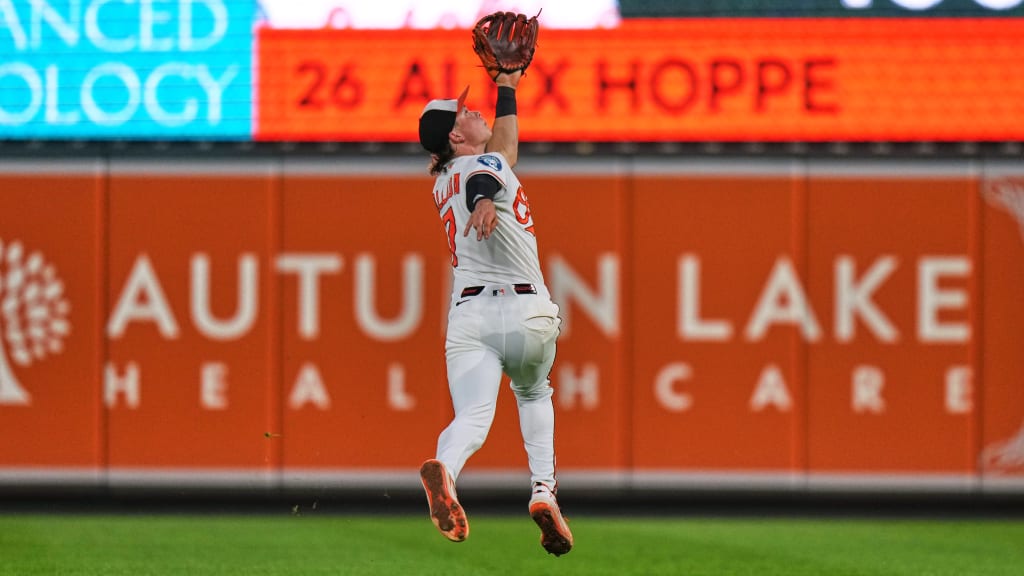
Defensively, the club has been far too inconsistent. Mental mistakes and untimely errors have cost Baltimore numerous close games. While those mistakes do not always show up in the box score, they have repeatedly extended innings and created additional pressure on the pitching staff.
The offense has also been frustratingly streaky. One week the Orioles looked capable of scoring double-digit runs against anyone. The next, the lineup struggled to produce timely hits with runners in scoring position or getting a hit at all through six innings or later.
INJURIES
Like nearly every club, injuries have played a significant role throughout the first half.
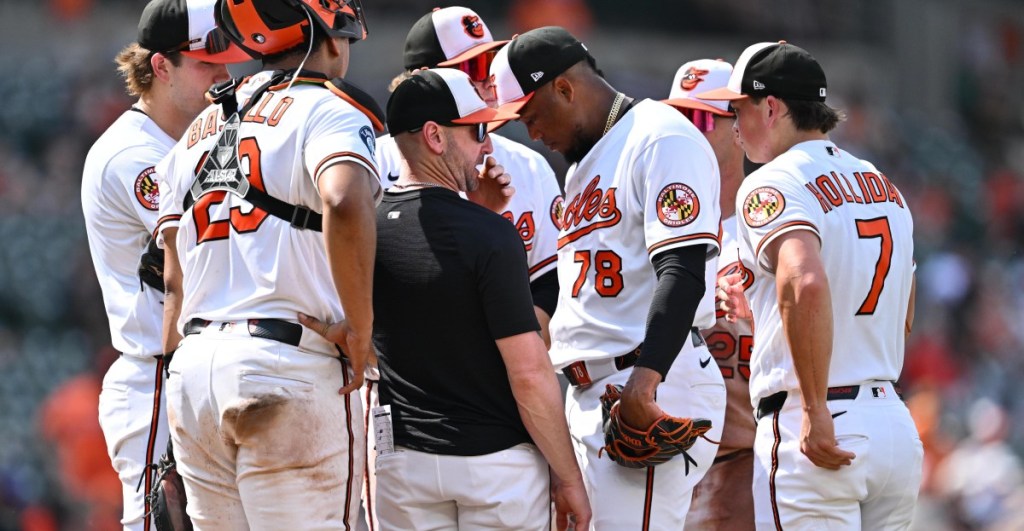
Jackson Holliday, Dylan Beavers, Ryan Mountcastle, Dean Kremer, Chris Bassitt, Ryan Helsley and Cade Povich have all missed significant time due to injury, alongside the losses of Blaze Alexander for four to six weeks due to a non-displaced hand fracture and Jordan Westburg, Zach Eflin and Keegan Akin for the season.
Those losses have forced O’s manager Craig Albernaz to consistently shuffle both the lineup and pitching staff. While organizational depth has helped soften some of those losses, the revolving door of roster moves has prevented Baltimore from establishing much continuity.
Regardless, the Orioles are still right in the mix in the American League Wild Card race, sitting just two games out at the break.
DOWN ON THE FARM
If there is one area where Orioles fans should continue to feel optimistic, it is the organization’s pipeline.
Baltimore once again boasts one of baseball’s deepest farm systems, with prospects like Wehiwa Aloy, Aron Estrada, Nate George, Ike Irish, Joseph Dzierwa and Luis De León continuing to develop throughout the minors.
That depth gives Mike Elias flexibility approaching the trade deadline. Whether the Orioles decide to buy, sell or simply make smaller moves around the edges, they possess enough young talent to improve both the present and future.
SECOND-HALF PRIORITIES
The math is not impossible, but it is becoming increasingly difficult.
The Birds will need to play substantially better baseball after the break if it hopes to reach the postseason via a Wild Card berth. That starts with winning series against teams they should beat and finding consistency on both sides of the baseball.
The Orioles do not necessarily need to play perfect baseball. The guys simply need to eliminate the stretches where every phase of the game breaks down simultaneously.
The pitching has shown enough to keep them competitive, and the lineup has enough talent to score runs. The challenge now is putting those pieces together over multiple weeks instead of multiple days.
FIRST-HALF GRADE: C-
The Orioles deserve credit for never allowing the season to completely unravel. Even during difficult stretches, the clubhouse continued competing and recently entered the All-Star break on a positive note by sweeping the Kansas City Royals and winning four consecutive games.
Still, expectations matter.
This roster was built to compete for a postseason berth, not occupy last place in the division entering July. The improvements from the rotation and continued growth of the club’s core provide legitimate reasons for optimism, but they do not outweigh a 46-51 record.
The second half now becomes less about expectations and more about identity. Can this team prove the first half was merely an extended slump, or will 2026 become another season remembered for what could have been?
The answer over the next two and a half months may shape the Orioles’ direction for years to come.
What are your thoughts on the O’s first half of the season? Let us know in the comments below! Make sure to follow The Baltimore Battery on Facebook, X, Bluesky and TikTok, and use the hashtag #baltimorebattery when sharing our content!
Represent The Baltimore Battery and show off your fandom with our official merchandise! Reasonably-priced attire made just for you! Visit our official shop site by clicking here!



Leave a Reply