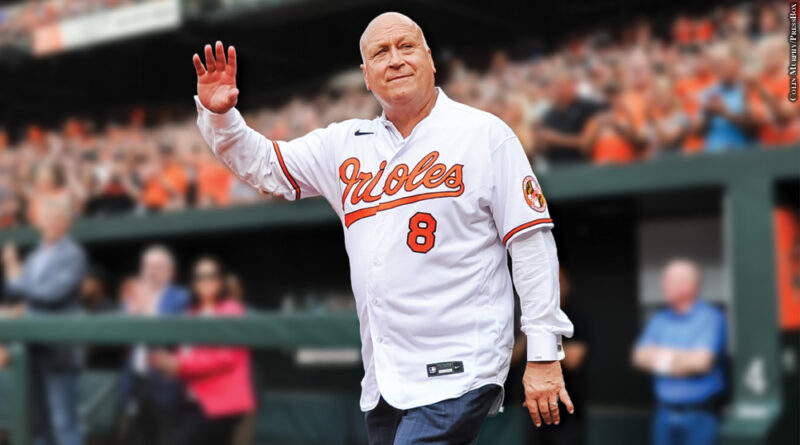
The Athletic’s recent report on Cal Ripken Jr.’s growing involvement in the Baltimore Orioles’ player development paints a picture that should encourage Birdland.
The Orioles have spent years rebuilding its talent pipeline. Under Mike Elias, Baltimore transformed one of baseball’s weakest farm systems into one of its strongest.
The organization developed stars like Adley Rutschman, Gunnar Henderson and Jackson Holliday while building a roster capable of competing for postseason berths.
Yet one point from the report is difficult to argue against: the Orioles have become a team that too often beats itself.
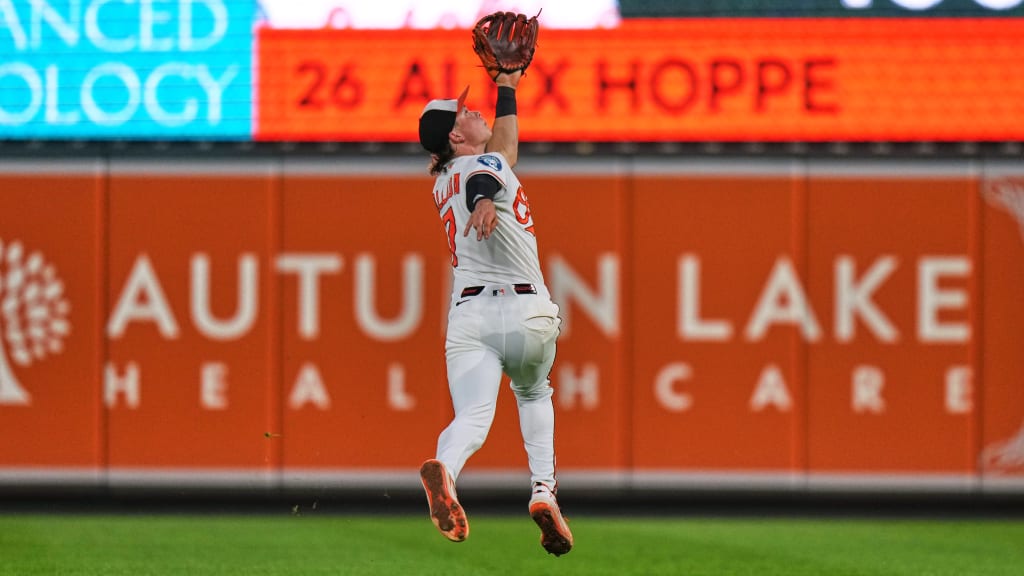
Mental mistakes, defensive lapses and missed opportunities have plagued Baltimore throughout the 2026 season. Whether it is a misplay in the outfield, a poor baserunning decision or failure to execute a routine play, the Orioles have repeatedly given opponents extra outs and opportunities.
That is not championship baseball.
If Ripken and Mike Shildt are helping re-establish an organizational emphasis on fundamentals, it is a welcome development. Ripken’s career was built on preparation, attention to detail and consistency. Those traits should be part of every prospect’s development plan.
But there is one aspect of this discussion that deserves additional context — Samuel Basallo should not become the poster child for the Orioles’ larger issues.
The report details concerns about Basallo’s maturity, communication with teammates and his adjustment to the daily demands of being a major-league catcher, and those are fair conversations to have internally. After all, Basallo is just 21 years old and plays the most demanding position on the field. Growth is expected.
What should not be forgotten is how unusual Basallo’s journey has been.
Most catchers do not reach the majors shortly after their 21st birthday. Most catchers do not sign long-term extensions before they have played a full season in the big leagues. Most catchers are not expected to help carry an offense while simultaneously learning how to manage a pitching staff.
Basallo is being asked to do all three. That does not excuse mistakes. It simply provides perspective.
The Orioles are not trying to develop an average catcher. They are trying to develop a franchise cornerstone. The process was never going to be perfect.
Manager Craig Albernaz deserves credit for holding players accountable. Good organizations establish standards and enforce them regardless of age, contract status or prospect rankings. If the coaching staff felt Basallo needed a message, they had every right to send one.
The key now is what happens next.
By all accounts, Basallo responded professionally. Since returning to the lineup, he has continued to play through minor ailments while taking steps to improve in the areas the organization identified. That is exactly what Baltimore hoped to see.
The bigger picture remains unchanged.
The Orioles’ defensive inconsistencies did not begin with Basallo. The struggles with situational baseball did not begin with Basallo. The inability to consistently execute fundamentals is an organizational issue that spans multiple rosters, coaching staffs and seasons.
That is why Ripken’s involvement matters.
The National Baseball Hall of Famer is not arriving to fix one player. He is helping establish a culture — one where preparation matters. A culture where details matter and where players understand that talent alone is not enough to win championships.
For the Orioles, that shift may be long overdue.
The encouraging part is that the organization appears willing to acknowledge the problem and address it. Ripken’s involvement, Shildt’s hiring, Albernaz’s accountability and the addition of veterans like Pete Alonso, Chris Bassitt and Ryan Helsley all point toward the same goal — building a team that not only has talent but knows how to maximize it.
If a new version of “The Oriole Way” is going to emerge, it should not be built around criticizing a 21-year-old catcher. It should be built around creating an environment where players like Basallo can become the best versions of themselves.
That is how championship organizations are built.
What are your thoughts on The Athletic’s article and our response? Let us know in the comments below! Make sure to follow The Baltimore Battery on Facebook, X, Bluesky and TikTok, and use the hashtag #baltimorebattery when sharing our content!
Represent The Baltimore Battery and show off your fandom with our official merchandise! Reasonably-priced attire made just for you! Visit our official shop site by clicking here!





Leave a Reply