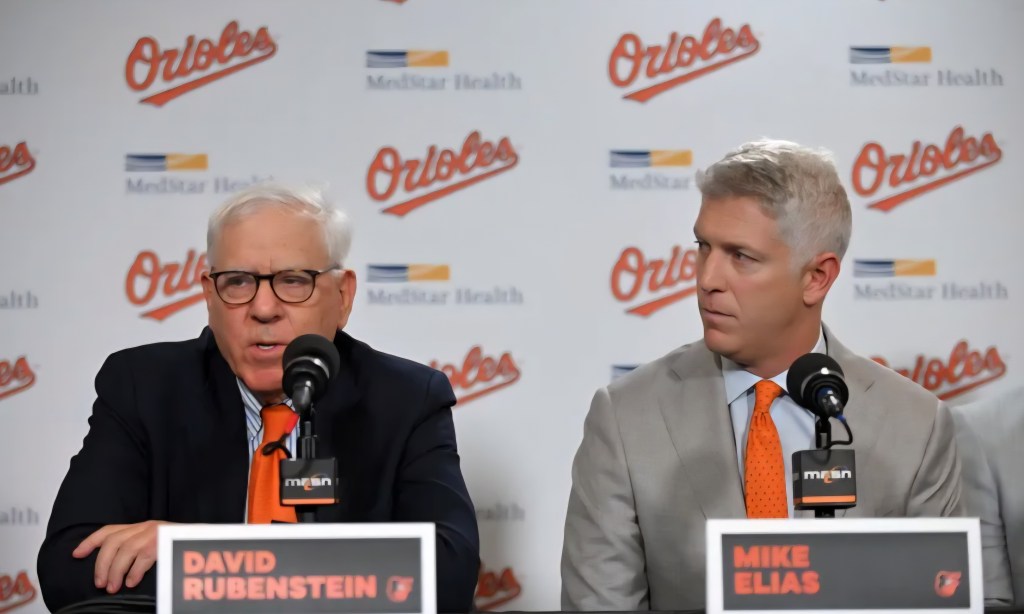
When Mike Elias was hired in November 2018, he promised a blueprint that would transform the Baltimore Orioles into a World Series contender and a destination franchise.
Seven and a half years later, the results are mixed: no World Series appearance, one AL East title, a Wild Card berth and plenty of postseason frustration.
Still, Elias executed a full organizational rebuild, constructing one of baseball’s premier farm systems highlighted by three consecutive No. 1 overall prospects — Adley Rutschman, Gunnar Henderson and Jackson Holliday.
That talent fueled back-to-back playoff appearances in 2023 and 2024, though Baltimore continues to carry a 10-game postseason losing streak dating to 2014. Compounding matters, the club’s most significant acquisition during that stretch — right-hander Corbin Burnes — departed after one season, declining a four-year, $180 million offer.
Frustration grew across Birdland, particularly as new majority owner David Rubenstein signaled a willingness to spend. The foundation, however, remained strong. A young core featuring Henderson, Rutschman, Holliday, Samuel Basallo, Jordan Westburg and Colton Cowser continued to emerge, while pitching showed promise with a resurgent Trevor Rogers and the return of Kyle Bradish.
Off the field, Baltimore invested heavily in infrastructure — upgrading Ed Smith Stadium, expanding its Dominican Academy and modernizing Oriole Park at Camden Yards, signaling a long-term commitment to player development and performance.
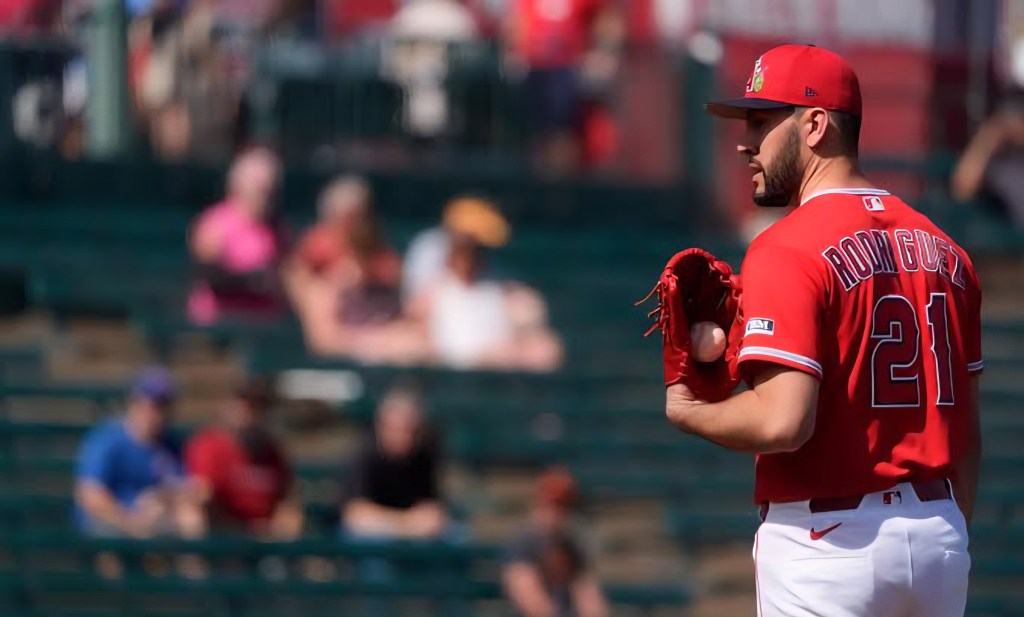
The turning point came in August of 2025, when Basallo agreed to an eight-year, $67 million extension, marking a shift toward locking up young talent. That momentum carried into the offseason, as the Orioles acquired right-handers Ryan Helsley and Andrew Kittredge and dealt the often-injured Grayson Rodriguez to the Los Angeles Angels for outfielder Taylor Ward.
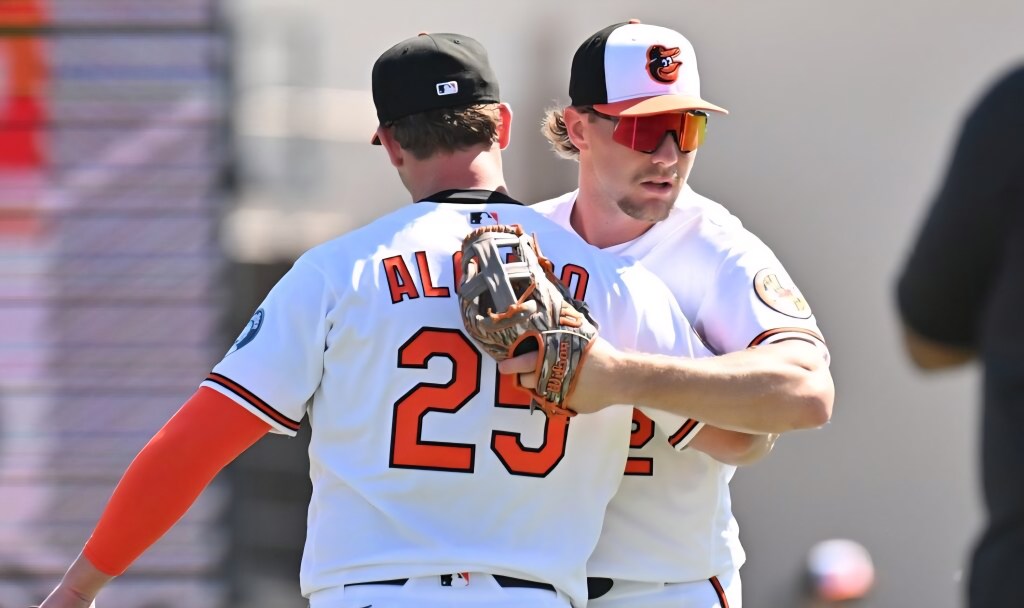
Baltimore also pursued top free agents aggressively, including a five-year, $150 million offer to Kyle Schwarber that ultimately fell short. The organization responded by landing Pete Alonso on a five-year, $155 million deal.
Additional pitching reinforcements followed with Zach Eflin and Chris Bassitt, before Elias made his boldest move: trading for Shane Baz, who quickly signed a five-year, $68 million extension 24 hours after Opening Day 2026.
Since August, Baltimore has committed to three of the six largest contracts in club history, reflecting a clear philosophical shift. Rubenstein has publicly backed Elias’ vision, emphasizing ownership’s willingness to invest in building a championship-caliber team.
“What we have told Mike [Elias] is that he is the expert in baseball talent, and he’s got a lot more experience than [ownership partner] Mike Arougheti or I do,” Rubenstein said. “We will be willing to back him financially to whatever he thinks makes sense, and so, we have done that. I don’t think we have turned down any of his requests. We want to do as much as we can to make this team a championship team and make Baltimore proud of the team we have put on the field.”
The Orioles are attempting to create more than just a contender. The front office and ownership group are building an organization players want to join and fans can believe in.
Now, the final step remains: turning promise into a championship.
What are your thoughts on the state of the Orioles organization? Let us know in the comments below! Make sure to follow The Baltimore Battery on Facebook, X, Bluesky and TikTok, and use the hashtag #baltimorebattery when sharing our content!
Represent The Baltimore Battery and show off your fandom with our official merchandise! Reasonably-priced attire made just for you! Visit our official shop site by clicking here!
Like Stephen’s content? Follow him on X – @SRJHeckman, and listen to the official podcast of The Baltimore Battery, The Final Strike, anywhere you get your podcasts!


 THE BALTIMORE BATTERY
Leave a comment