It may still be early to revisit, but recent developments out of Los Angeles have cast new light on the calculated decision-making of Baltimore Orioles executive vice president and general manager, Mike Elias.
Some of Elias’ moves have drawn scrutiny — most notably the trade involving Trevor Rogers — but early returns continue to shift perception.
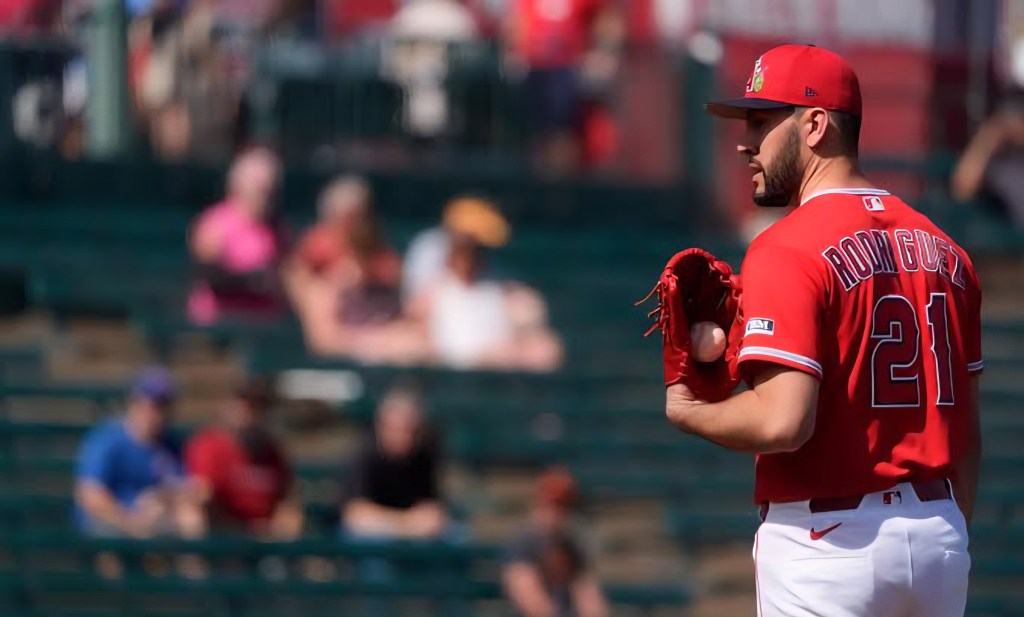
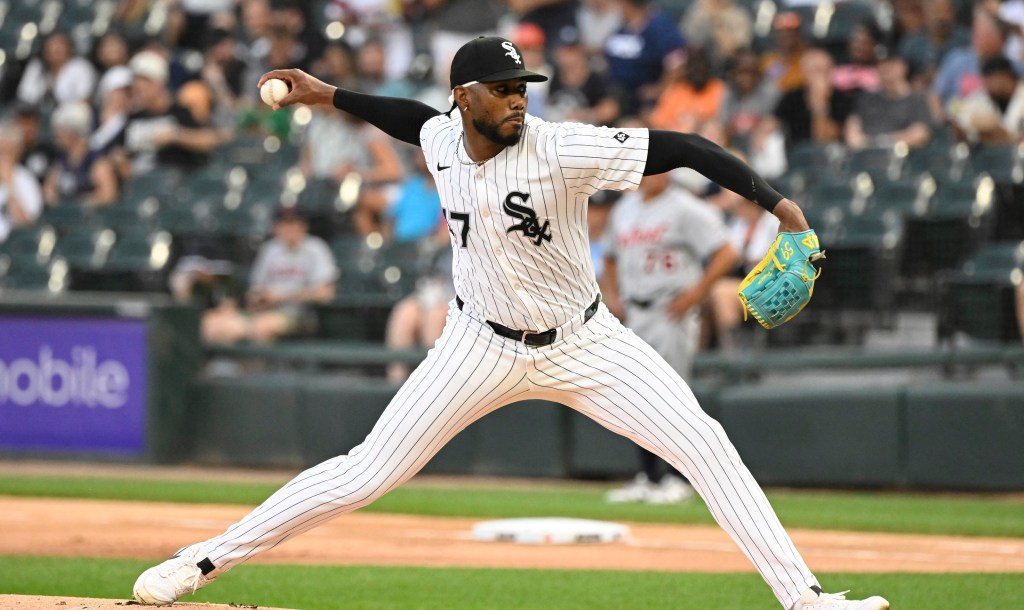
Elias inherited right-hander Grayson Rodriguez, once regarded as baseball’s top right-handed pitching prospect, and afforded him every opportunity to establish himself in Baltimore. The talent was undeniable, but so were the injuries. Shoulder issues and inconsistency created ongoing uncertainty about his availability.
Rodriguez did show progress across his first two major league seasons, lowering his ERA from 4.35 over 122 innings to 3.86 across 116.2 innings. In 43 career appearances with Baltimore, he went 20–8 with a 4.11 ERA and 259 strikeouts in 238.2 innings. Still, durability remained a concern dating back to pre-debut labrum issues that delayed his 2022 arrival.
He opened 2023 late due to shoulder soreness but flashed the upside that made him a top prospect. In 2024, he appeared to turn a corner, posting a 13–4 record with a 3.86 ERA across 20 starts despite a brief IL stint in April. However, another injury in early August ended his season and, ultimately, his tenure with the Orioles, as labrum surgery wiped out his 2025 campaign entirely.
By November 2025, Elias moved on, striking an “as-is” deal with the Los Angeles Angels. The trade — reportedly completed without full medical review protections — sent Rodriguez to LA in exchange for outfielder Taylor Ward, a right-handed bat capable of stabilizing Baltimore’s outfield.
At the time, the move was viewed by many as a gamble, particularly given the O’s need for pitching and Rodriguez’s four years of team control, compared to one year of Ward. But concerns about Rodriguez’s health soon re-surfaced.
His once electric fastball, previously touching triple digits, now sat in the mid-90s and occasionally dipped as low as 91 mph. Vertical break declined, and his secondary pitches graded closer to average, diminishing his overall effectiveness.
Those concerns were validated on March 23, when Rodriguez was placed on the injured list with what the Angels described as “dead arm,” an issue lingering since his March 11 spring outing.
Meanwhile, Ward has been productive this spring for the Birds, posting a .281/.425/.469 slash line with a home run, three doubles, three RBIs, seven runs, two stolen bases and an 8-to-7 walk-to-strikeout ratio over 13 games.
It is, of course, only spring. But early indications suggest the Orioles may have extracted much-needed offensive production, while the Angels assumed considerable risk. More notably, the deal underscores Elias’ willingness to act decisively, capitalizing on market perception while anticipating potential decline.
If nothing else, it offers a clearer picture of an executive operating with conviction, balancing long-term projection with present-day practicality.
Now, the question is whether that approach will continue to shape the Orioles into the contender Elias envisioned when he first took over in 2018.
What are your thoughts on Grayson Rodriguez? Was it the right decision moving him? Let us know in the comments below! Make sure to follow The Baltimore Battery on Facebook, Twitter (X) and TikTok, and use the hashtag #baltimorebattery when sharing our content!
Represent The Baltimore Battery and show off your fandom with our official merchandise! Reasonably-priced attire made just for you! Visit our official shop site by clicking here!
Like Stephen’s content? Follow him on X – @SRJHeckman, and listen to the official podcast of The Baltimore Battery, The Final Strike, anywhere you get your podcasts!

 THE BALTIMORE BATTERY
Leave a comment